

mauriciolujan4
About mauriciolujan4
Understanding the Role and Impact of Private Airplanes in Modern Aviation
Introduction
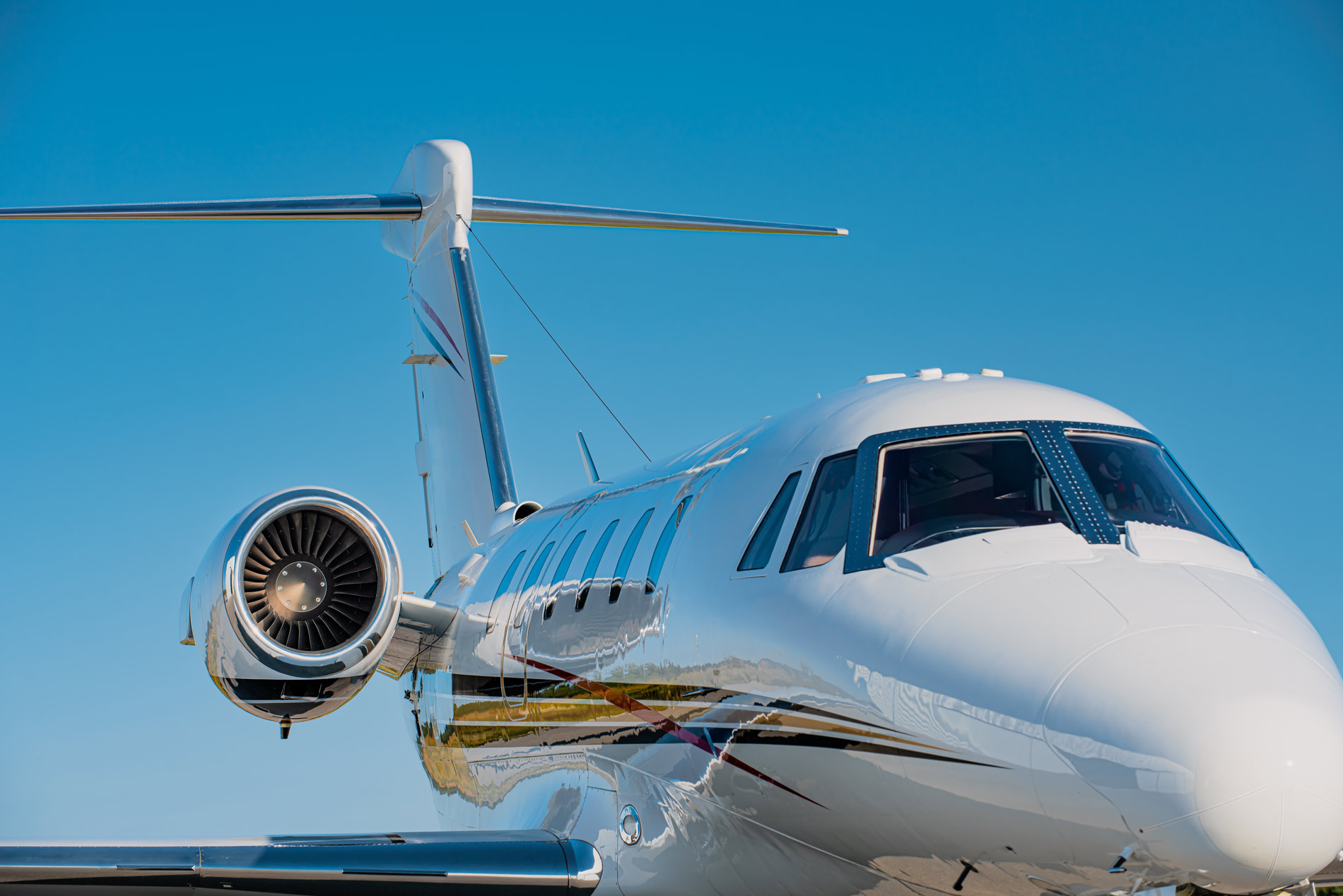
Private airplanes have become an integral part of the aviation industry, catering to a diverse clientele that ranges from business executives to leisure travelers. This report delves into the various aspects of private airplanes, including their types, benefits, operational considerations, and the future of this sector in aviation.
Types of Private Airplanes
Private airplanes can be categorized into several types based on their size, range, and purpose. The primary categories include:
- Light Jets: These are small jets that typically accommodate 4 to 8 passengers. They are ideal for short-haul flights and are known for their cost-effectiveness. Examples include the Cessna Citation Mustang and the Embraer Phenom 100.
- Midsize Jets: Midsize jets can carry 6 to 9 passengers and offer a greater range than light jets. They are suitable for both short and medium-haul flights. Notable examples include the Hawker 800XP and the Citation XLS.
- Large Jets: These jets can accommodate more passengers (up to 18) and are designed for long-distance travel. They provide more luxury and space, making them popular among corporate clients. Examples include the Gulfstream G550 and the Bombardier Global 6000.
- Turbo Props: These aircraft are powered by propeller engines and are often used for regional travel. They are more economical for short distances and can operate from shorter runways. The Beechcraft King Air series is a prominent example.
- Helicopters: While not airplanes in the traditional sense, helicopters are often included in private aviation due to their ability to land in confined spaces and provide quick access to remote locations.
Benefits of Private Airplanes
The advantages of utilizing private airplanes are numerous and can be categorized into several key areas:

- Time Efficiency: One of the primary benefits of private air travel is the significant time savings. Passengers can avoid long security lines and boarding processes typical of commercial flights. Private jets can access smaller airports closer to the final destination, further reducing travel time.
- Flexibility and Convenience: Private aviation offers unparalleled flexibility in scheduling. Clients can set their departure times, change itineraries on short notice, and choose their preferred routes. This adaptability is particularly valuable for business travelers whose schedules are often unpredictable.
- Comfort and Privacy: Private jets provide a luxurious environment, allowing passengers to work, relax, or conduct meetings in privacy. The personalized service, spacious cabins, and high-end amenities enhance the overall travel experience.
- Access to Remote Locations: Many private aircraft can land at smaller airports and airstrips, providing access to destinations that may not be served by commercial airlines. This is particularly advantageous for travelers heading to remote locations or areas with limited commercial service.
- Increased Safety and Health Protocols: In the wake of the COVID-19 pandemic, many travelers have turned to private aviation as a safer alternative to commercial flights. Private jets allow for controlled environments and reduced exposure to large crowds.
Operational Considerations
While private aviation offers numerous benefits, there are operational considerations that potential users must take into account:
- Cost: The cost of owning and operating a private airplane can be substantial. Expenses include purchase price, maintenance, fuel, insurance, and crew salaries. Many individuals and businesses opt for fractional ownership or charter services to mitigate these costs.
- Regulatory Compliance: Private aviation is subject to various regulations imposed by aviation authorities, such as the Federal Aviation Administration (FAA) in the United States. Operators must ensure compliance with safety standards, licensing, and maintenance requirements.
- Environmental Impact: The aviation industry is increasingly scrutinized for its environmental impact. Private jets, while efficient for certain travel needs, contribute to carbon emissions. Here is more info in regards to private jet charter review check out the web page. Many companies are exploring sustainable aviation fuels and new technologies to reduce their environmental footprint.
- Pilot Training and Certification: Operating a private airplane requires skilled pilots who have undergone extensive training and certification. Ensuring that pilots maintain their qualifications is essential for safety and compliance.
The Future of Private Aviation
The future of private aviation looks promising, driven by several trends and innovations:
- Technological Advancements: Innovations in aircraft design, materials, and avionics are making private airplanes more efficient and cost-effective. Electric and hybrid aircraft are emerging as potential solutions to reduce environmental impact.
- Increased Demand: The demand for private aviation has surged in recent years, particularly among business travelers seeking flexibility and safety. This trend is expected to continue as more individuals and companies recognize the benefits of private air travel.
- Digital Transformation: The use of technology in booking, managing flights, and enhancing customer experiences is transforming the private aviation landscape. Online platforms and apps are making it easier for users to charter flights and manage their travel itineraries.
- Sustainability Initiatives: As environmental concerns grow, the private aviation sector is increasingly focusing on sustainability. Initiatives such as carbon offset programs, sustainable aviation fuels, and advancements in electric aircraft are gaining traction.
- Market Diversification: The private aviation market is diversifying, with new players entering the space. Companies are offering innovative models such as on-demand charter services and membership programs that provide access to private jets without the burden of ownership.
Conclusion
Private airplanes play a crucial role in modern aviation, offering benefits that cater to the needs of a diverse clientele. As the industry evolves, it faces challenges related to cost, regulation, and environmental impact. However, with technological advancements and a growing demand for flexible travel, the future of private aviation appears bright. Stakeholders in this sector must continue to adapt to changing market dynamics while prioritizing safety, efficiency, and sustainability to thrive in the coming years.
No listing found.